Last updated: August 16, 2026
See also: Buying Guides & Resources.
Exploring Solar Panel Efficiency and Its Impact on Performance
Solar panel efficiency refers to the ability of a solar panel to convert sunlight into usable electricity. Higher efficiency means more energy generation from the same amount of sunlight, which can be particularly important when space is limited or when maximizing energy output is a priority. When considering solar panels, the trade-off often lies between efficiency and cost, as well as the specific energy needs of the user. Higher efficiency panels may come at a premium but can yield better performance in limited space. Understanding these dynamics is essential for making informed decisions regarding solar energy systems.
Disclosure: As an Amazon Associate I earn from qualifying purchases.
Prefer to browse a couple of relevant options before you decide? Check current options on Amazon.
Why This Matters
For the full comparison, see our roundup: Best Portable Solar Panel With Charge Controllers: 9 Top Picks.
Solar panel efficiency is a crucial factor in determining how much energy a solar system can produce. The efficiency percentage indicates how effectively the panel converts sunlight into electricity. A more efficient panel can generate more electricity over a given time period, which is particularly beneficial for installations where space is constrained, such as on rooftops or in RVs. Additionally, efficiency impacts the overall cost-effectiveness of a solar energy system. Higher efficiency panels may produce more energy, potentially leading to lower long-term energy costs and a quicker return on investment. Understanding the efficiency ratings can help consumers select panels that align with their energy needs and budget.
Key Benefits
What to Expect
- 【Perfect Size for Class B Vans】This 200W N-Type solar panels are 7.5% sm…
- 【25% Cell Efficiency】The 200 watt solar panel features a remarkable 25% …
- 【No energy drains at night】By incorporating reverse current blocking dio…
One of the primary benefits of high-efficiency solar panels is their ability to generate more electricity in less space. This is particularly advantageous for small installations where maximizing output is essential. For example, the Renogy Solar Panels 200 Watt N-Type features a 25% efficiency rating, which allows it to produce significant energy despite its compact size. Another benefit is enhanced performance in various conditions. Many high-efficiency panels are designed to operate effectively even in low-light or cloudy conditions. This means users can rely on consistent energy generation throughout the day, regardless of weather fluctuations. High-efficiency panels often come with improved durability and longevity. Features such as advanced cell technology and robust materials can reduce degradation over time, ensuring that the panels maintain their output for years to come.
Common Drawbacks & Limitations
Despite their advantages, high-efficiency solar panels can have limitations. One common drawback is the initial cost. Higher efficiency typically correlates with higher prices, which may deter some buyers from investing in these panels upfront. Another consideration is installation requirements. Some high-efficiency panels may necessitate specific mounting systems or configurations, which could complicate the installation process, especially for DIY projects. Moreover, while high-efficiency panels perform well in diverse conditions, they may still exhibit reduced output in extremely low-light situations compared to traditional panels. Users should assess their local climate and sun exposure when considering their energy needs.
What to Look For (Buyer’s Checklist)
Efficiency Rating: Look for panels with higher efficiency percentages, as these will generate more electricity in the same amount of sunlight. This is crucial for maximizing energy output in limited space. Temperature Coefficient: This indicates how well the panel performs in high temperatures. A lower temperature coefficient means better performance in hot conditions, which can be particularly important for installations in warmer climates. Durability and Warranty: Check the materials used in the panel’s construction and the warranty offered. A robust frame and a longer warranty period can indicate a more reliable product that will last over time. Installation Compatibility: Ensure that the panel is compatible with your existing system or installation plans. Some panels may require specific mounting options or additional equipment for optimal performance. Brand Reputation and Support: Consider the manufacturer’s reputation and customer support services. Established brands may offer better reliability and assistance should any issues arise.
How to Choose for Your Situation

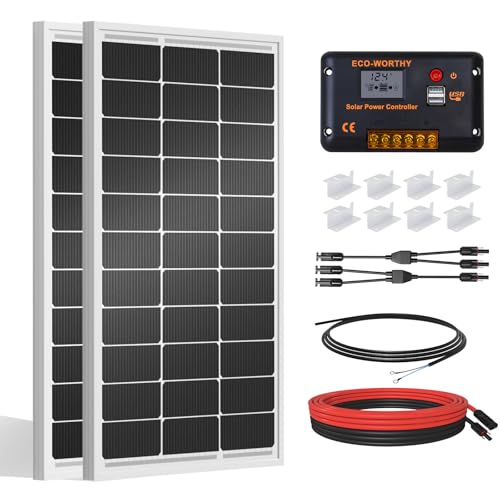
When selecting solar panels, consider your specific energy needs and available space. For example, if you have limited roof space, high-efficiency panels like the Renogy Solar Panels 200 Watt N-Type may be ideal due to their compact design and high output. Evaluate your local climate as well. If you live in a region with high temperatures or frequent cloud cover, panels with low temperature coefficients and good low-light performance, such as the ECO-WORTHY 200 Watts Solar Panel Kit, may be more suitable. Additionally, think about your installation capabilities. If you prefer a DIY approach, look for panels that come with clear instructions and pre-drilled mounting options to simplify the process.
Care, Safety, and Longevity Tips
To ensure the longevity of your solar panels, regular maintenance is essential. Inspect the panels periodically for dirt, debris, or obstructions that may block sunlight. Cleaning them as needed can help maintain efficiency. Be mindful of the installation environment. Ensure that the panels are mounted securely to withstand local weather conditions, such as strong winds or heavy snow. Lastly, monitor the system’s performance over time. If you notice a significant drop in energy output, it may indicate an issue that needs addressing, which could involve professional assistance.
Recommended Picks
For efficient energy generation, consider the Renogy Solar Panels 200 Watt N-Type, which offers a high efficiency rating and compact design suitable for tight spaces. The ECO-WORTHY 200 Watts Solar Panel Kit is also a solid choice, featuring high-performance monocrystalline cells that enhance energy output. If you’re looking for bifacial technology, the AeternaSol 400w Solar Panel provides advanced efficiency and durability for demanding conditions.
FAQ
What is solar panel efficiency? Solar panel efficiency measures how effectively a solar panel converts sunlight into electricity. Higher efficiency ratings indicate better performance. How does temperature affect solar panel efficiency? High temperatures can reduce the efficiency of solar panels. Panels with a lower temperature coefficient perform better in hot conditions. Can I install solar panels myself? Yes, many solar panels come with installation instructions that allow for DIY setups. However, ensure compatibility and follow safety guidelines. What maintenance do solar panels require? Regular inspections for dirt and debris are recommended. Cleaning panels periodically can help maintain their efficiency. How long do solar panels last? Most solar panels are designed to last 25 years or more, with warranties often reflecting this durability. Regular maintenance can extend their lifespan.
What Most Buyers Overlook
- The right choice depends on your daily constraints, not just the most advanced option.
- Ease of setup, maintenance, and fit often matter more than one extra feature.
Conclusion
Understanding solar panel efficiency is essential for making informed choices in solar energy systems. By considering factors such as efficiency ratings, temperature performance, and installation requirements, buyers can select panels that best fit their needs and environment. Regular maintenance and monitoring can further enhance the longevity and effectiveness of solar panels, making them a reliable energy source for years to come.
A Couple of Relevant Options